If you’re flying for the first time or want to better understand how airports operate, knowing the airport security and boarding process can make your journey much easier. From entering the terminal to boarding the aircraft, every passenger follows a series of procedures designed to ensure safety, security, and smooth travel.
Indian airports follow strict security guidelines for both domestic and international flights. Understanding these procedures in advance can help you avoid delays, reduce stress, and prepare for a hassle-free travel experience.
This guide explains the complete airport security and boarding process, including check-in, baggage screening, security checks, immigration, boarding gates, and useful travel tips.
Quick Information
| Topic | Details |
| Guide Type | Airport Security & Boarding Process |
| Applicable To | Domestic & International Flights |
| Best For | First-Time & Frequent Travelers |
| Security Agency | CISF (Most Major Airports) |
| Includes | Check-in, Security, Boarding & Arrival |
| Last Updated | 2026 |
Why Is Airport Security Important?
Airport security protects passengers, airline staff, aircraft, and airport infrastructure from potential threats. Every passenger, piece of baggage, and cargo shipment is screened before departure to maintain a safe travel environment.
Following airport security procedures also helps flights depart on time and ensures compliance with national and international aviation regulations.
Step-by-Step Airport Security & Boarding Process
Step 1: Arrive at the Airport
Arrive well before your scheduled departure time.
| Flight Type | Recommended Arrival Time |
| Domestic Flight | At least 2 hours before departure |
| International Flight | At least 3 hours before departure |
Reaching early gives you enough time to complete all airport formalities without rushing.
Step 2: Enter the Airport Terminal
At the terminal entrance, security personnel verify:
- Flight ticket or e-ticket
- Boarding pass (if web check-in is completed)
- Valid government-issued photo ID (or passport for international travel)
Only passengers with valid travel documents are generally allowed inside the terminal.
Step 3: Check-In
If you haven’t completed web check-in, visit your airline’s check-in counter.
During check-in, you can:
- Verify your booking
- Receive your boarding pass
- Drop checked baggage
- Confirm seat allocation
- Request special assistance if required
Many airports also offer self-check-in kiosks.
Step 4: Baggage Drop
Passengers carrying checked luggage hand over their baggage at the airline counter.
The baggage is:
- Weighed
- Tagged
- Sent for security screening
- Loaded onto the aircraft
Always keep valuables, medicines, travel documents, and electronics in your cabin baggage.
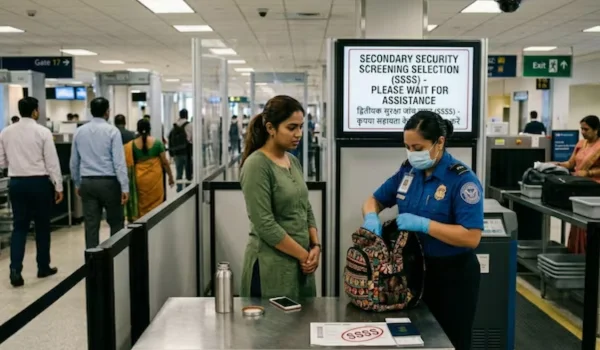
Step 5: Security Screening
Security screening is one of the most important steps before boarding.
Passengers usually place items such as:
- Cabin baggage
- Laptops
- Mobile phones
- Jackets
- Metal objects
into trays for X-ray screening.
Passengers then pass through:
- Walk-through metal detectors
- Body scanners (where available)
- Additional security checks if necessary
After screening, collect all your belongings before leaving the security area.
Cabin Baggage Screening
Cabin baggage is examined using X-ray scanners.
Security personnel may ask passengers to open bags for manual inspection if needed.
Items that are prohibited under aviation security regulations may be confiscated.
Step 6: Immigration (International Flights Only)
Passengers traveling abroad must complete immigration formalities.
Immigration officers may verify:
- Passport
- Visa
- Boarding Pass
- Travel Purpose
- Supporting Documents (if required)
After clearance, passengers proceed to the international departure area.
Step 7: Customs (Where Applicable)
International travelers may pass through customs depending on the airport and travel direction.
Customs officers monitor the movement of goods entering or leaving the country in accordance with applicable regulations.
Step 8: Proceed to the Boarding Gate
After completing security (and immigration for international flights), check the flight information displays to confirm:
- Boarding Gate Number
- Boarding Time
- Flight Status
- Any Gate Changes
Airlines usually begin boarding around 30 to 45 minutes before departure, though this may vary.
Step 9: Boarding Verification
At the boarding gate, airline staff verify:
- Boarding Pass
- Passenger Identity
- Travel Documents (if required)
After verification, passengers proceed to the aircraft via:
- Passenger Boarding Bridge (Aerobridge)
- Airport Shuttle Bus
- Walking Path (at some airports)
Step 10: Onboard the Aircraft
Once inside the aircraft:
- Find your assigned seat.
- Place cabin baggage in the overhead compartment or under the seat in front of you.
- Fasten your seat belt.
- Follow the cabin crew’s safety instructions.
- Switch electronic devices to airplane mode when instructed.
Arrival Process
After landing:
Domestic Flights
Passengers can:
- Exit the aircraft
- Collect checked baggage (if any)
- Leave the airport
International Flights
Passengers usually complete:
- Immigration
- Baggage Collection
- Customs Clearance
- Airport Exit
Airport Security Rules
To help ensure a smooth experience:
- Carry valid travel documents.
- Arrive early.
- Follow airline baggage allowances.
- Cooperate with security personnel.
- Keep electronic devices easily accessible if requested.
- Never leave baggage unattended.
- Follow airport announcements and signage.
- Report suspicious activities to airport authorities.
Items Commonly Restricted in Cabin Baggage
The exact list varies by airline and aviation regulations, but passengers are generally advised not to carry:
- Sharp objects
- Explosive materials
- Flammable substances
- Certain tools
- Hazardous chemicals
- Items prohibited by aviation authorities
Always review your airline’s baggage policy before packing.
Common Security Screening Equipment
Airports may use:
| Equipment | Purpose |
| X-ray Scanner | Cabin baggage screening |
| Walk-through Metal Detector | Passenger screening |
| Hand-held Metal Detector | Additional checks |
| Body Scanner | Passenger screening at selected airports |
| Explosive Detection Systems | Baggage inspection |
| CCTV Surveillance | Airport security monitoring |
Tips for a Faster Security Check
- Complete web check-in before arriving.
- Keep your ID and boarding pass ready.
- Organize electronic devices for easy inspection.
- Avoid carrying restricted items.
- Pack liquids according to airline guidelines.
- Wear easily removable jackets or belts if required.
- Follow instructions from security personnel promptly.
Domestic vs International Boarding Process
| Feature | Domestic Flight | International Flight |
| Check-in | Yes | Yes |
| Security Screening | Yes | Yes |
| Immigration | No | Yes |
| Customs | No | Yes |
| Passport Required | No | Yes |
| Visa Required | No | Depends on Destination |
Frequently Asked Questions
How early should I reach the airport?
It is generally recommended to arrive at least 2 hours before a domestic flight and 3 hours before an international flight.
Is security screening mandatory?
Yes. Every passenger and their cabin baggage must undergo security screening before boarding.
Can I skip check-in if I complete web check-in?
You can skip the check-in counter if you have no checked baggage and your airline allows direct entry to the security checkpoint with your boarding pass.
When does boarding usually begin?
Most airlines start boarding approximately 30–45 minutes before departure, depending on the airport, aircraft type, and airline procedures.
What documents are required for international travel?
Passengers generally need a valid passport, boarding pass, visa (if required), and any additional documents required by the destination country.
Final Thoughts
Understanding the airport security and boarding process helps you travel with confidence and avoid unnecessary delays. From check-in and baggage screening to boarding and arrival, each step is designed to ensure passenger safety and efficient airport operations.
Whether you’re taking your first flight or you’re a regular traveler, arriving early, keeping your travel documents organized, and following airport instructions can make your journey smooth and stress-free.